
Climate risk modelling built around brick manufacturing
A major UK brick manufacturer is working with RedLines on an assessment across eight UK and Belgian sites, connecting climate hazards to how its products are made, stored and moved.
Different processes, different exposures
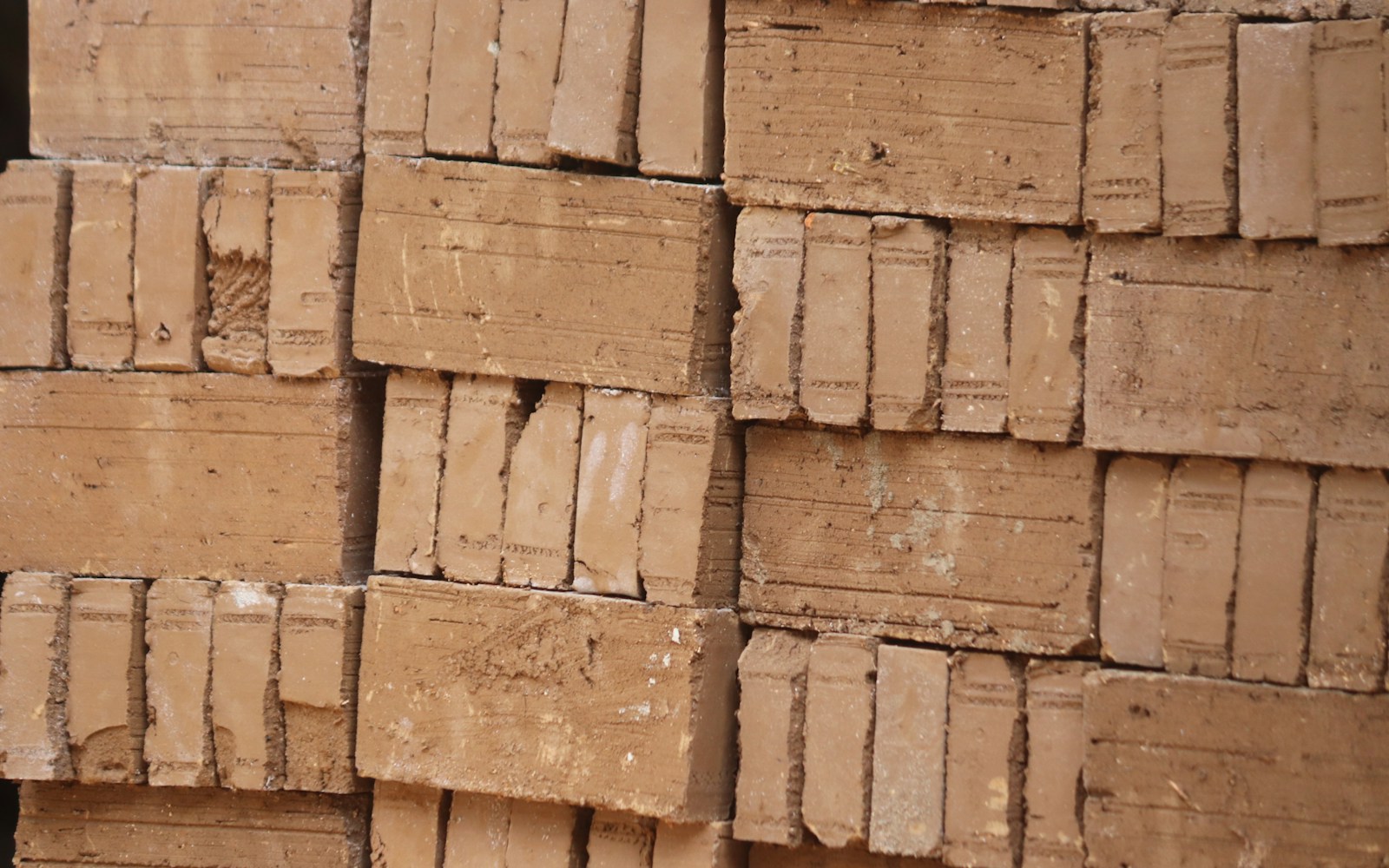
The manufacturer needs a site-specific view of climate risk that reflects its production processes. Clay extraction, outdoor firing, covered kilns and finished-goods storage each depend on different conditions.
The assessment scope connects physical hazards with those activities, giving site teams and the Board a way to examine where changing weather could affect production, access and continuity.
sites in the assessment scope
Following the process from clay to finished brick
RedLines is developing bespoke risk metrics around the stages of brick manufacturing. The approach distinguishes outdoor clamp firing from covered kiln operations and considers the exposure of clay pits, production buildings, stock yards and despatch areas.
The modelling considers how heavy rain could disrupt extraction or outdoor firing, how flooding could affect plant and site access, and where heat, water availability or interruptions to power and gas could affect operations.
RedLines Pro is being configured around the agreed sites, activities and operating inputs. The assessment is designed to connect climate hazards with operational and financial consequences, with sources and assumptions recorded for review.
A practical basis for site and Board decisions
The project is intended to help the manufacturer compare exposure across its sites and identify the processes that need closer attention. It provides a framework for discussing site resilience and for refining the assessment as operational information improves.
- Process detail
- Examine how exposure differs between extraction, firing, storage and despatch.
- Site priorities
- Identify where further investigation and resilience planning could be most useful.
- A reviewable method
- Keep site inputs, modelling assumptions and sources visible to the team.
Does your assessment reflect how your business operates?
Discuss the processes and locations that need bespoke climate risk modelling.