
About RedLines
16 years turning climate, weather and engineering data into decisions leaders can trust
RedLines helps asset-heavy organisations understand where climate risk affects assets, costs, suppliers and continuity, using evidence that can stand up in senior decisions.

Rob Sunderland
Founder, RedLines · Managing Director, Digital Engineering Group
Rob has spent the last 16 years building and leading specialist data businesses in weather, climate and engineering analytics, serving utilities, infrastructure operators, renewable energy developers and large corporates. Group platforms are trusted by organisations including Bloomberg, Octopus Energy and National Grid.
He holds a degree in Physics and began his career as an aerodynamicist at QinetiQ before working as a technology scout for Airbus. He has since founded and grown analytics businesses focused on weather risk, renewable energy forecasting, grid intelligence and infrastructure resilience.
Rob founded RedLines to close a specific gap: many organisations have climate data and disclosure pressure, but lack defensible evidence for asset, cost and resilience decisions. RedLines turns complex climate signals into clear insight for risk, finance, insurance and operational leaders.
Trusted by organisations including



Our Story
We built RedLines to close the gap between climate data and real business decisions.
For 16 years, Digital Engineering Group has turned weather, climate and engineering data into decision tools for industries where conditions directly affect performance: energy trading desks, grid operators, renewable developers and infrastructure owners.
As climate risk moved from disclosure into board, finance, insurance and asset decisions, clients needed the same analytical discipline applied to a new problem. The data existed, but it was hard to trust, compare and act on. So we built RedLines.
The Challenge
Climate risk is now an asset, cost and continuity issue
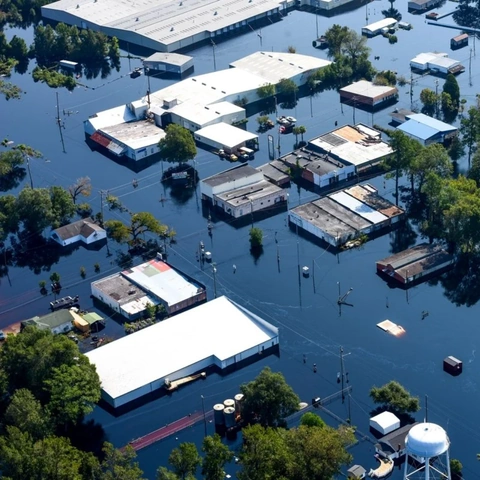
Flood, heat, drought, storms and supply-chain disruption can affect site continuity, insurance conversations, maintenance planning and investment decisions. Many businesses are exposed because risk visibility is still fragmented.
The risk will not arrive evenly. Similar assets can face very different exposure depending on location, use and future climate pathway. Organisations that act early preserve options; those that wait often discover the cost too late.
Global average temperature anomaly, 1850-present
RedLines takes its name from these stripes. The red lines mark the hottest years on record. Climate risk is no longer theoretical.
How We Work
Four principles behind every assessment
Decision-grade, or we do not ship it
Every output is designed for real governance, capital, insurance and operational decisions. The analysis must be clear enough to use, credible enough to challenge and proportionate enough to act on.
Integrated, not isolated
Physical climate risk and market-driven cost pressure are connected business problems. RedLines brings them into one decision view so leaders are not left stitching separate analyses together.
Asset-level, not average
Geographic averages hide the exposure that matters. We assess specific asset and supplier locations because that is where risk sits and where capital, operational and insurance decisions are made.
Repeatable, with expert judgement
The platform gives consistency and scale; our team brings climate, engineering and commercial judgement where interpretation matters. That combination is how analysis becomes trusted evidence.
Working on a climate decision involving assets, costs or resilience?