Executive summary
Widespread flooding in eastern Mexico during 2025 followed episodes of intense rainfall that overwhelmed rivers and urban drainage systems. Analysis by World Weather Attribution shows that human-caused climate change increased the likelihood and intensity of heavy rainfall in the region. However, the most severe impacts were driven by high exposure and social vulnerability, with Indigenous and marginalised communities experiencing disproportionate losses. The study highlights how climate hazards and inequality combine to produce unequal outcomes.
What happened
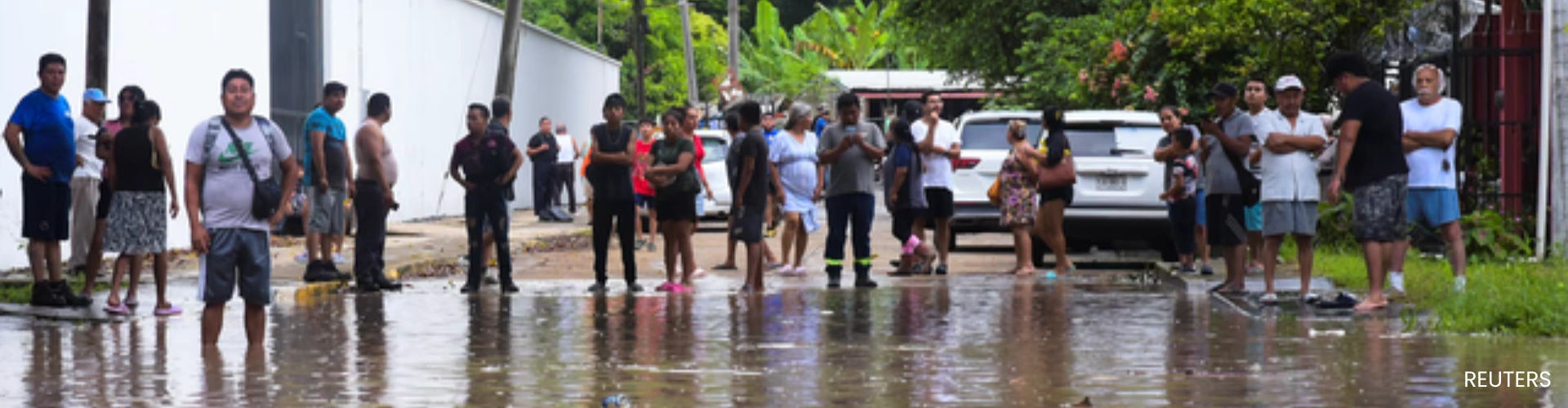
In 2025, eastern Mexico experienced periods of very heavy rainfall associated with tropical systems and persistent moist atmospheric conditions. Rivers overtopped their banks and flash flooding affected both rural and urban areas. Homes were damaged or destroyed, transport links were disrupted and agricultural land was inundated.
Flooding had particularly severe impacts in communities located in floodplains, informal settlements and areas with limited access to flood protection or emergency services. In several locations, recovery was slow due to limited resources and pre-existing socio-economic challenges.
What the attribution analysis found
The attribution analysis concludes that climate change increased the likelihood of rainfall events of the intensity observed. Warmer atmospheric conditions enabled higher moisture content, leading to heavier downpours when weather systems developed.
While heavy rainfall events have always occurred in the region, the analysis shows that similar events are now more intense than they would have been in a pre-industrial climate. This increase in rainfall intensity raised the probability of flooding and amplified flood impacts.
Uncertainty remains in quantifying exact probability changes at very local scales, but the overall influence of climate change on rainfall extremes in the region is robust.
Vulnerability, exposure and unequal impacts
A key finding of the study is that social and economic vulnerability played a decisive role in shaping impacts. Indigenous communities and low-income households were often located in the most flood-prone areas, with limited access to flood defences, early warnings and recovery support.
Housing quality, land tenure insecurity and reliance on climate-sensitive livelihoods increased sensitivity to flooding. As a result, similar flood depths produced very different outcomes across communities, reinforcing existing inequalities.
How climate attribution fits into flood risk reporting
Climate attribution helps clarify how climate change is altering the hazard component of flood risk, while also highlighting that hazard alone does not determine outcomes. In this case, attribution shows that climate change increased heavy rainfall risk, but exposure and vulnerability determined who was most affected.
For risk reporting, this underscores the need to assess physical hazards alongside social and economic factors.
Why this matters for organisations
For public authorities, development agencies, insurers and businesses operating in the region, the findings demonstrate that flood risk is both a climate and a social issue. Infrastructure disruption, supply chain delays and community impacts are more likely where vulnerability is high, even if rainfall increases are relatively modest.
How to use this in your own risk work
Organisations should integrate climate-adjusted rainfall projections into flood risk assessments while also mapping exposure and vulnerability. Targeted investment in resilient housing, drainage, early warning systems and inclusive recovery planning can substantially reduce impacts, even as heavy rainfall becomes more intense.
Source
World Weather Attribution (2025). Heavy rainfall leading to widespread flooding in eastern Mexico disproportionately impacts highly exposed Indigenous and socially vulnerable communities.
https://www.worldweatherattribution.org/heavy-rainfall-leading-to-widespread-flooding-in-eastern-mexico-disproportionately-impacts-highly-exposed-indigenous-and-socially-vulnerable-communities/