Executive summary
Extreme fire weather conditions affecting Spain and Portugal in 2025 are no longer exceptional but have become increasingly common as a result of human-caused climate change. World Weather Attribution analysis shows that rising temperatures and drying conditions have significantly increased the likelihood of weather patterns conducive to large and intense wildfires. The findings highlight a growing mismatch between current wildfire risk and land management, emergency response and infrastructure preparedness across the Iberian Peninsula.
What happened
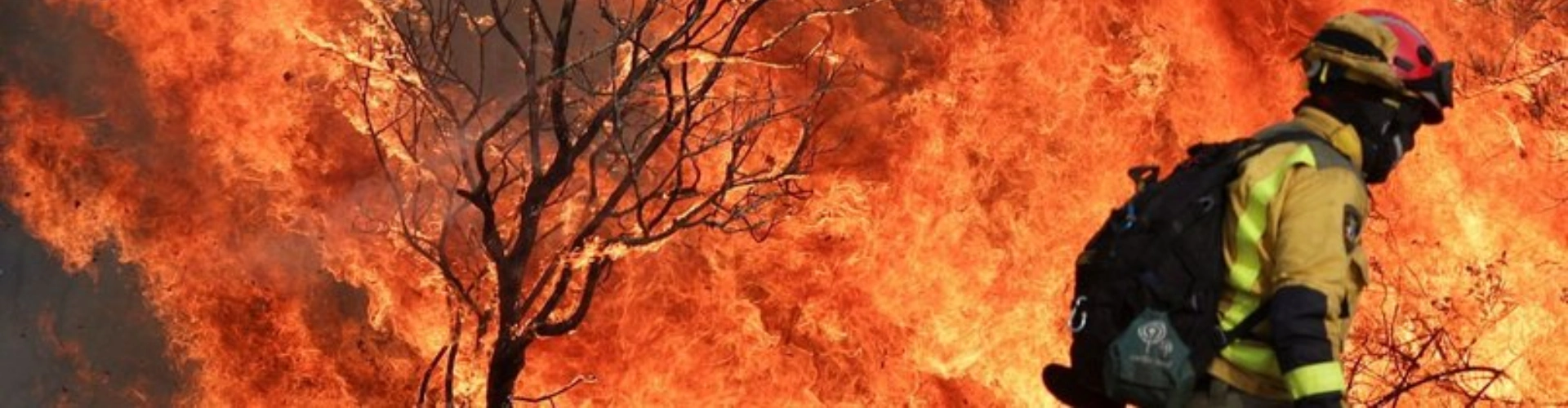
During the 2025 fire season, Spain and Portugal experienced prolonged periods of high temperatures, low humidity and strong winds. These conditions created an environment in which fires ignited easily and spread rapidly, leading to large wildfires that threatened communities, damaged ecosystems and disrupted transport and energy infrastructure.
In several regions, fires burned with high intensity, limiting the effectiveness of suppression efforts and requiring large-scale evacuations. The season added to a pattern of recent years in which severe fire weather has become a recurring feature rather than an occasional anomaly.
What the attribution analysis found
World Weather Attribution finds that climate change has substantially increased the likelihood of extreme fire weather conditions in the region. Higher average temperatures have dried soils and vegetation, creating more flammable landscapes, while heatwaves have become more frequent and persistent.
The analysis shows that weather conditions similar to those observed in 2025 would have been far less likely in a pre-industrial climate. Warming has shifted the baseline, meaning that fire-conducive conditions now occur more often and last longer.
While ignition sources vary, the study makes clear that climate change is strongly influencing the severity and spread of fires once they begin.
Implications for ecosystems and land management
The increasing frequency of extreme fire weather places growing pressure on Mediterranean ecosystems that are already adapted to, but not resilient against, repeated high-intensity fires. Shorter recovery periods between fires reduce vegetation resilience and increase long-term degradation risks.
Land abandonment, changes in agricultural practices and fuel accumulation further compound climate-driven fire risk, increasing the likelihood of large, fast-moving fires under extreme weather conditions.
How climate attribution fits into wildfire risk reporting
Climate attribution helps distinguish between the role of weather and other drivers such as land use and ignition sources. In this case, attribution shows that climate change is making the underlying weather conditions for wildfires more dangerous, even if human activity determines where fires start.
This provides a clearer basis for adjusting wildfire risk assessments beyond historical fire records.
Why this matters for organisations
For governments, utilities, insurers and businesses operating in Spain and Portugal, wildfire risk is becoming a persistent operational concern. Power networks, transport corridors, tourism assets and rural supply chains are increasingly exposed to fire-related disruption and damage.
Insurance losses and public-sector response costs are likely to continue rising as extreme fire weather becomes more frequent.
How to use this in your own risk work
Organisations should integrate climate-adjusted fire weather metrics into risk assessments, review asset exposure to wildfire-prone areas and strengthen business continuity planning. Investment in fuel management, resilient infrastructure design and early warning systems will be increasingly important as fire weather extremes continue to intensify.
Source
World Weather Attribution (2025). Extreme fire weather conditions in Spain and Portugal now common due to climate change.
https://www.worldweatherattribution.org/extreme-fire-weather-conditions-in-spain-and-portugal-now-common-due-to-climate-change/